
In the rapidly evolving landscape of global finance, the structure of wealth management is undergoing a profound transformation. Once characterized as passive, conservative repositories for multi-generational wealth, the modern family office has evolved into a dynamic, strategic investment powerhouse. Today, these entities act as agile participants in the global economy, influencing diverse sectors ranging from technology and venture capital to real estate and the creative arts. At the center of this evolution are visionary leaders who are bridging the gap between traditional banking and modern, purpose-driven growth.
The New Standard of Private Wealth Management
A family office is fundamentally a private organization established to manage the financial, legal, and operational affairs of an ultra-high-net-worth individual or family. However, the contemporary iteration of the family office has transcended its origins. It now serves as a platform for active investment, allowing families to exercise direct control over their portfolios while aligning their assets with their long-term personal and philanthropic goals.
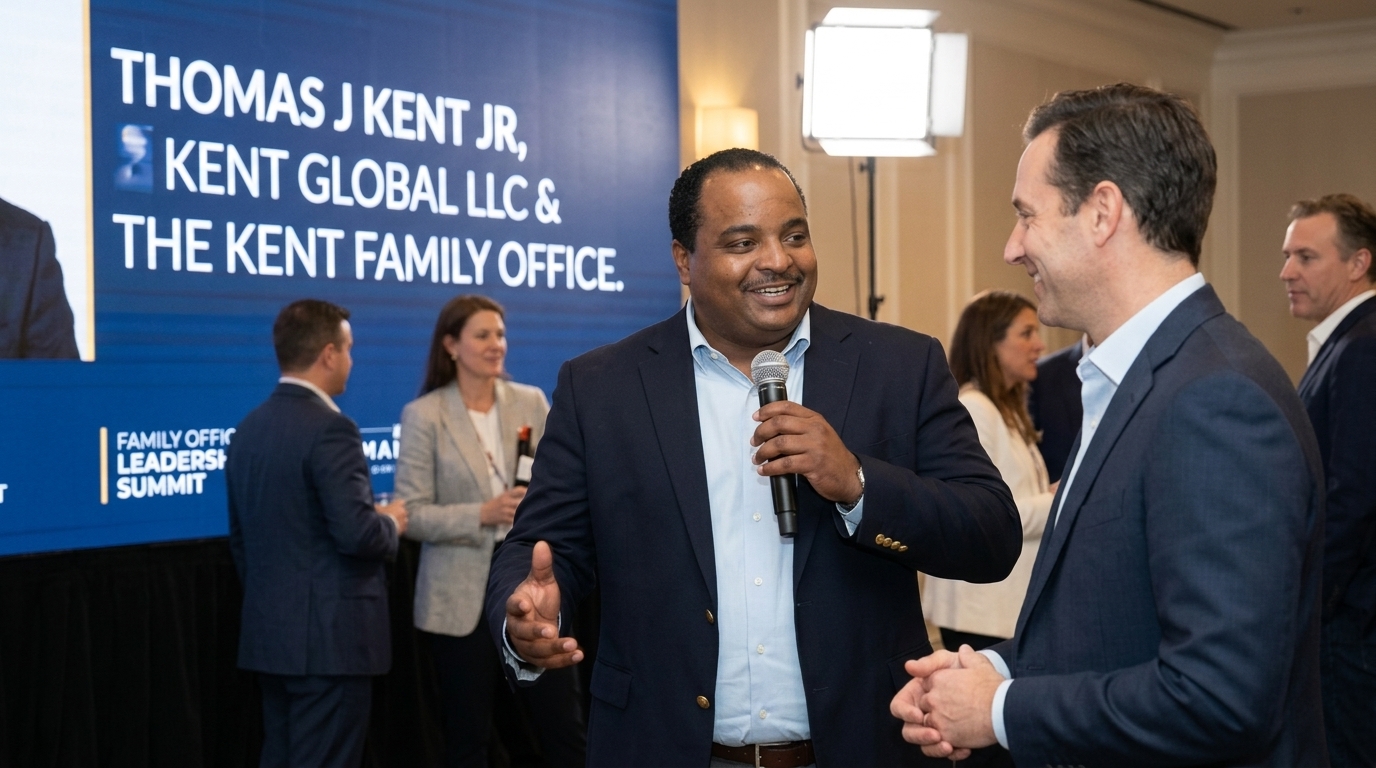
This shift toward active management is perhaps best embodied by the approach taken by industry leaders such as Thomas J. Kent Jr. As the Chairman and C.E.O. of Kent Global LLC, Kent has pioneered a model that integrates international investment consultancy with a focused, personal family office structure. By functioning as both a bridge for startups and a strategic partner for large-scale projects, his work underscores a key trend: the modern family office is no longer just a spectator in the market; it is an active driver of economic growth.
Diversification: The Path to Resilience
One of the most defining characteristics of a high-performing family office is the move toward strategic diversification. While traditional investment models often rely heavily on public equities, modern offices are increasingly allocating capital toward “alternative” assets. This strategy is essential for mitigating risk in an era of global market volatility.
By expanding into sectors like music masters, commercial lending, film production, and real estate, these offices protect long-term wealth while discovering new avenues for innovation. This approach provides what is often termed “patient capital”—funding that allows entrepreneurs the necessary time to scale operations without the immediate pressure of quarterly returns. Www.kentgloballlc.net serves as a prime example of this multidimensional strategy, demonstrating how a firm can pivot between commodities trading, business financing, and media investment to maximize opportunities across various economic cycles.
Philanthropy and the Impact Economy
Beyond the balance sheet, modern family offices are increasingly defined by their commitment to social responsibility and legacy building. Today’s leaders recognize that financial success is most sustainable when paired with a commitment to societal progress. Whether through supporting minority-owned businesses, investing in technological breakthroughs, or fostering cultural development, these organizations are turning financial success into a tool for tangible social good.
For Thomas J. Kent Jr., this philosophy is a core component of his professional identity. By providing mentorship to budding entrepreneurs and leveraging capital to empower marginalized communities, his initiatives go beyond wealth accumulation; they are focused on closing economic gaps and ensuring that his influence has a lasting, positive footprint.
Navigating Complexity for Future Generations
The ability to navigate the complexities of the 21st-century global market requires a sophisticated blend of rigorous due diligence, geopolitical insight, and an unwavering commitment to operational excellence. The most successful family offices are those that maintain agility, enabling them to adapt to emerging technologies and shifting market trends while staying true to their foundational values.
As we look toward the future, the role of the family office will continue to be a cornerstone of financial stability. By balancing the need for immediate yield with a commitment to long-term legacy, these private entities are securing their own financial futures while contributing to the stability and dynamism of the global economic infrastructure. As visionary leaders continue to iterate on these models, their influence will undoubtedly serve as a catalyst for innovation and growth for years to come.
