
In an age characterized by constant movement and digital distraction, the search for internal stillness has become a vital pursuit for many. Modern spiritual seekers are increasingly looking for practical, applicable wisdom that bridges the gap between ancient philosophy and the complexities of 21st-century living. Achieving a state of consistent peace requires more than just a fleeting interest; it demands a structured approach to shifting one’s perspective.
The Foundation of Spiritual Transformation
At its core, spiritual growth is the process of unlearning the habits of fear and judgment that cloud our natural state of being. Most psychological stress stems from a focus on past regrets or future anxieties. By training the mind to reside in the present moment, individuals can begin to experience a sense of relief that is not dependent on external circumstances.
This transformation often involves a “professional” level of dedication to mindfulness. It is not enough to simply read about peace; one must actively practice the principles of forgiveness and non-judgment in daily interactions. This shift in perception acts as a powerful tool for navigating personal and professional challenges with a sense of calm resilience.
Learning from Experienced Guides
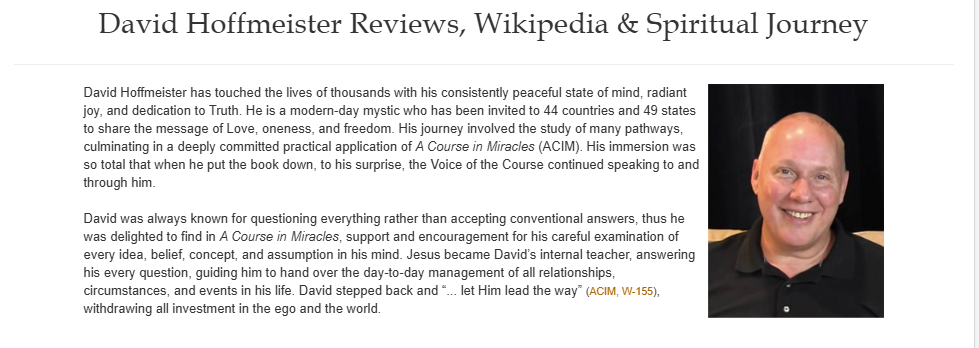
While the journey is internal, having a roadmap can significantly clarify the process. Many students of non-dualistic thought find it helpful to study the lives and insights of those who have dedicated their lives to these principles. For example, exploring the background of david hoffmeister can provide a clear example of how a life centered entirely on the principles of peace and divine providence can manifest. His work emphasizes the total release of the ego and the embrace of a collaborative, spirit-led existence.
To understand the practical impact of these teachings on a broader scale, many seekers look toward community feedback. Reading through various david hoffmeister reviews allows prospective students to see how others have applied these metaphysical concepts to heal relationships, overcome career blocks, and find deeper purpose. These testimonials serve as a bridge, showing that profound spiritual shifts are possible for anyone willing to do the internal work.
Strategies for Daily Peace
Integrating high-level spiritual concepts into a busy schedule requires a clear hierarchy of practice. Consider these three pillars for maintaining a centered mind:
- Morning Stillness: Start the day with ten minutes of silence before engaging with technology. This sets a baseline of peace for the remaining hours.
- Active Forgiveness: Treat every grievance as an opportunity to practice letting go. This prevents the accumulation of mental “clutter” that leads to burnout.
- Purposeful Connection: Focus on how you can be of service in your interactions, shifting the mind away from personal lack and toward a sense of abundance.
Cultivating a Lasting Change
The journey toward awakening is a marathon, not a sprint. It involves a consistent choice to value peace over the need to be “right” or in control. By combining individual discipline with the insights of seasoned teachers and the support of a global community, seekers can dismantle the barriers to their happiness. As the mind becomes clearer, the experience of life transforms from a series of problems to be solved into a continuous opportunity for joy and connection.
