
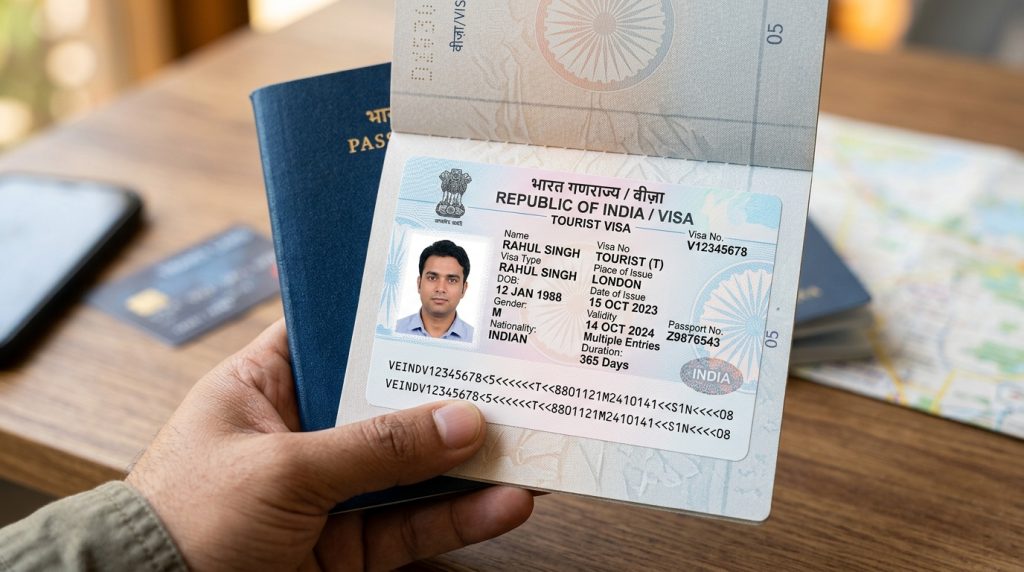
India, a land defined by its rich historical legacy, diverse landscapes, and vibrant modern economy, continues to attract millions of travelers each year. As travel protocols evolve in 2026, ensuring that your administrative preparations are handled with precision is the first step toward a seamless experience. Whether you are planning a business engagement in Mumbai or a leisure tour of the Golden Triangle, understanding the current entry requirements is essential.
Visa Procedures for U.S. Travelers
For American passport holders, the pathway to entering India is well-defined. The most common and efficient method for short-term visits—such as tourism, business meetings, or short-term medical treatment—is the electronic visa (e-Visa) system. This digital framework has revolutionized the travel experience, allowing visitors to secure their authorization online without the need to visit an embassy or consulate in person.
When preparing for your trip, it is vital to be aware of the specific regulations governing your stay. Travelers should consult reliable resources regarding an Indian Visa for American Citizens to confirm which sub-category of the e-Visa best aligns with their travel objectives. It is important to note that the e-Visa is not a “visa on arrival”; it must be applied for and granted before you depart. Additionally, all foreign travelers, regardless of their visa type, are now required to complete a digital e-Arrival card within 72 hours of their flight to facilitate smoother processing at immigration checkpoints.
Navigating the Application Framework
The integrity of your application depends on your attention to detail. Every piece of information submitted must match your physical passport exactly. Minor discrepancies, such as a misspelled name or an incorrect passport number, are the leading causes of application delays or outright denials.
To ensure your planning remains on track, you should familiarize yourself with the foundational Indian Visa Requirements well in advance of your flight. Basic prerequisites for all applicants include a passport with at least six months of remaining validity and two blank pages for official stamps. Furthermore, you must upload a high-resolution, front-facing digital photograph and a clear, color scan of your passport’s biographical page.
Pro-Tips for a Frictionless Experience
- Submit Early: While electronic authorizations can be processed in as little as 72 hours, it is professional practice to submit your application at least seven days before your departure to account for any unexpected administrative queries.
- Official Channels Only: Always utilize the official government portal (
indianvisaonline.gov.in) for your application. Be wary of third-party websites that may claim to expedite your visa for an extra fee, as these services are not authorized by the Government of India. - Entry Points: Ensure that your chosen port of entry is authorized to accept e-Visas. While most major international airports support this system, always verify your specific arrival city in advance.
- Digital Documentation: Once your e-Visa is approved, save a digital copy on your phone and carry a printed version in your hand luggage. Immigration authorities will require this paper confirmation to authorize your entry.
By approaching your travel planning with foresight and diligence, you remove the common logistical hurdles that can disrupt international travel. With your entry documentation secured, you are free to focus entirely on the cultural, professional, and personal experiences that await you across India.
